
Health Benefits of Using Elevated Cat Feeding Dishes

If you’ve ever watched your cat eat, you might have noticed how they sometimes awkwardly crouch or stretch to reach their food bowl. It’s adorable, but did you know that the height of your cat’s feeding dish can actually impact their health? Yep, those little adjustments can make a big difference! Today, I’m diving into the health benefits of using elevated cat feeding dishes and why you might want to rethink where you place your furry friend’s food.
Why Elevated Cat Feeding Dishes Matter
Cats are natural hunters, and their bodies are designed for a certain posture when eating. When food bowls sit flat on the floor, cats often have to bend their necks and bodies in ways that aren’t the most comfortable or healthy. Elevated cat feeding dishes help by raising the bowl to a more natural height, which can:
Reduce strain on your cat’s neck and joints
Improve digestion by allowing food to travel more easily down the esophagus
Help prevent messes by keeping food and water off the floor
Think of it like us eating at a table instead of crouching on the floor. Doesn’t that sound better? Plus, it’s a simple change that can make mealtime more enjoyable for your feline friend.

Health Benefits of Elevated Cat Feeding Dishes
Let’s get into the nitty-gritty of why elevated feeding dishes are more than just a fancy accessory. Here are some key health benefits:
1. Better Posture and Comfort
Cats with arthritis or joint pain especially benefit from elevated dishes. When the bowl is raised, they don’t have to bend down as far, which reduces pressure on their neck, shoulders, and hips. This can make eating less painful and more comfortable, encouraging them to eat regularly and maintain a healthy weight.
2. Improved Digestion
When cats eat from a raised bowl, food travels more smoothly from the mouth to the stomach. This can reduce the risk of regurgitation and vomiting, which some cats experience when eating from bowls on the floor. It’s a small change that can make a big difference in your cat’s tummy health.
3. Cleaner Eating Area
Elevated dishes help keep food and water off the floor, which means less mess and fewer chances for bacteria to grow. This is especially helpful if you have a multi-cat household or if your cat tends to be a bit messy while eating.
4. Reduced Risk of Bloat
While bloat is more common in dogs, some cats can experience discomfort from eating too quickly or swallowing air. Elevated bowls can help slow down eating by making cats more mindful of their posture and bite, potentially reducing this risk.
What is the best elevated bowl for cats?
Choosing the right elevated bowl can feel overwhelming with so many options out there. Here’s what I look for when picking the best elevated cat feeding dishes:
Height: The bowl should be at a comfortable level for your cat’s size. A good rule of thumb is that the bowl should be at or just below your cat’s chest height.
Material: Stainless steel or ceramic bowls are great because they’re easy to clean and don’t harbor bacteria like plastic can.
Stability: Look for a sturdy stand that won’t tip over easily. Cats can be enthusiastic eaters!
Ease of Cleaning: Removable bowls that are dishwasher safe make life easier for you.
Design: Some elevated feeders come with angled bowls, which can be easier for cats to eat from.
If you want to explore options, check out raised cat bowls that combine these features with stylish designs perfect for any home.
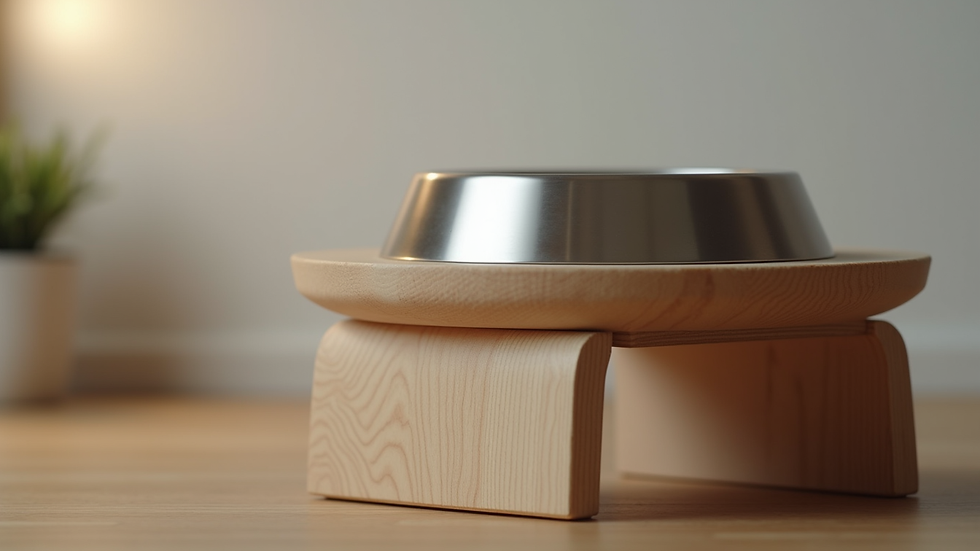
How to Transition Your Cat to Elevated Feeding Dishes
Switching your cat to an elevated feeding dish might take a little patience, especially if they’re used to eating off the floor. Here are some tips to make the transition smooth:
Introduce Gradually: Start by placing the elevated dish next to their old bowl. Let them sniff and explore it without pressure.
Use Favorite Food: Put some of their favourite treats or wet food in the new bowl to encourage interest.
Keep Mealtime Routine: Stick to regular feeding times so your cat knows what to expect.
Be Patient: Some cats take a few days or even weeks to adjust. Don’t force it; let them come around at their own pace.
Remember, the goal is to make mealtime comfortable and stress-free. Your cat will thank you with purrs and happy tummy rubs!
Extra Tips for a Healthy Feeding Setup
Beyond just the bowl height, here are some additional tips to keep your cat’s feeding area healthy and inviting:
Separate Food and Water: Cats often prefer their water away from their food. Consider placing the water bowl a few feet away.
Keep Bowls Clean: Wash bowls daily to prevent bacteria buildup.
Use Non-Slip Mats: Prevent spills and sliding bowls with mats designed for pet feeding areas.
Monitor Eating Habits: Keep an eye on how much and how fast your cat eats. Changes can signal health issues.
By combining these tips with elevated feeding dishes, you’re setting your cat up for a happy, healthy mealtime routine.
Why I Recommend Raised Cat Bowls for Every Cat Owner
After trying out different feeding setups, I can confidently say that investing in raised cat bowls is a game-changer. Not only do they support your cat’s physical health, but they also add a touch of style to your home. Plus, it feels great knowing you’re doing something simple yet impactful for your furry friend.
If you want to celebrate your cat’s unique personality while caring for their wellbeing, elevated cat feeding dishes are a must-have. They’re practical, stylish, and show your cat just how much you care.
So, why not give it a try? Your cat’s neck, tummy, and paws will thank you!
Ready to upgrade your cat’s mealtime? Explore a variety of elevated cat feeding dishes and find the perfect fit for your feline companion today!


Comments